
Salt & corrosion
Protecting Homes From Salt Air
Where airborne salt does its damage, which materials resist it, and how rinsing and finish choices slow corrosion on exposed hardware.
Read the article →Salt air, wind-driven rain, and freeze-thaw cycles wear coastal houses faster than inland ones. These notes cover the maintenance that matters most along Canadian shorelines, written for owners who handle their own seasonal upkeep.

Inland maintenance schedules do not transfer directly to the coast. The combination of airborne salt, heavy seasonal moisture, and storm exposure changes both the order and the frequency of the work.
Salt deposited by wind and spray draws moisture onto metal and finishes, accelerating rust on fasteners, railings, and fixtures well back from the waterline.
Frequent rain and high water tables mean roof runoff and surface water have to be moved away from foundations deliberately, not left to soak in.
Wood shingles and clapboard on the windward side weather unevenly. Knowing when to recoat versus replace keeps small problems from reaching the sheathing.
On the Atlantic coast the demanding period runs from late autumn storms through spring thaw. The Pacific coast trades hard freezes for prolonged wet seasons. In both cases the useful approach is to inspect before and after the worst weather rather than on a fixed annual schedule.

Each article focuses on one part of coastal upkeep with the specifics that apply to Canadian shoreline conditions.
Where airborne salt does its damage, which materials resist it, and how rinsing and finish choices slow corrosion on exposed hardware.
Read the article →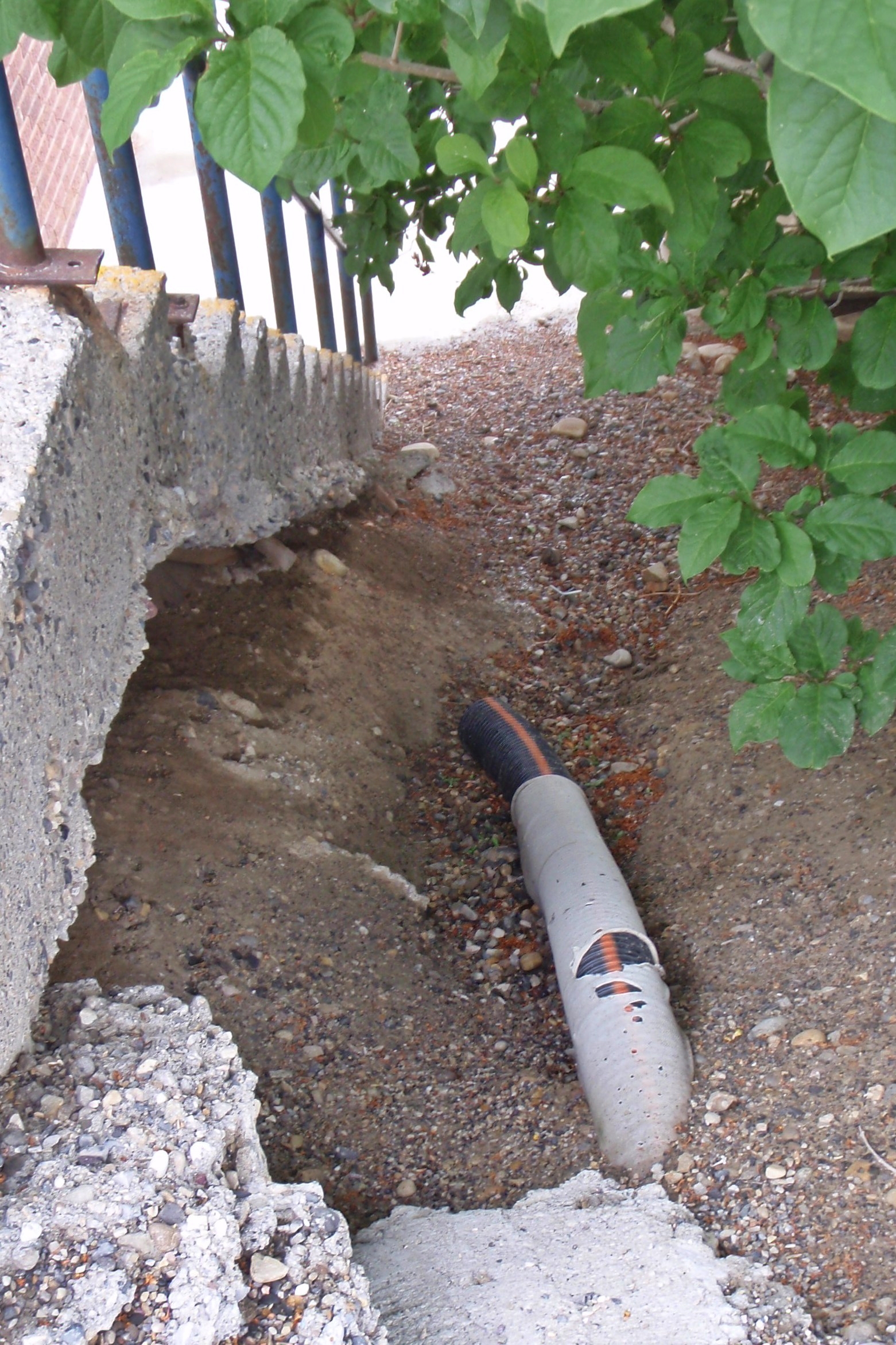
Moving roof and surface water away from the foundation when the ground is already wet and the water table sits high.
Read the article →
Reading the condition of shingle and clapboard cladding, and deciding between spot repair, recoating, and full replacement.
Read the article →For corrections, source suggestions, or general questions about the material on this site, use the form. Notes are reviewed periodically.
Reference readingCanada Mortgage and Housing Corporation publishes homeowner maintenance guidance, and Environment and Climate Change Canada provides regional weather and storm information.