Managing Drainage Near the Shore
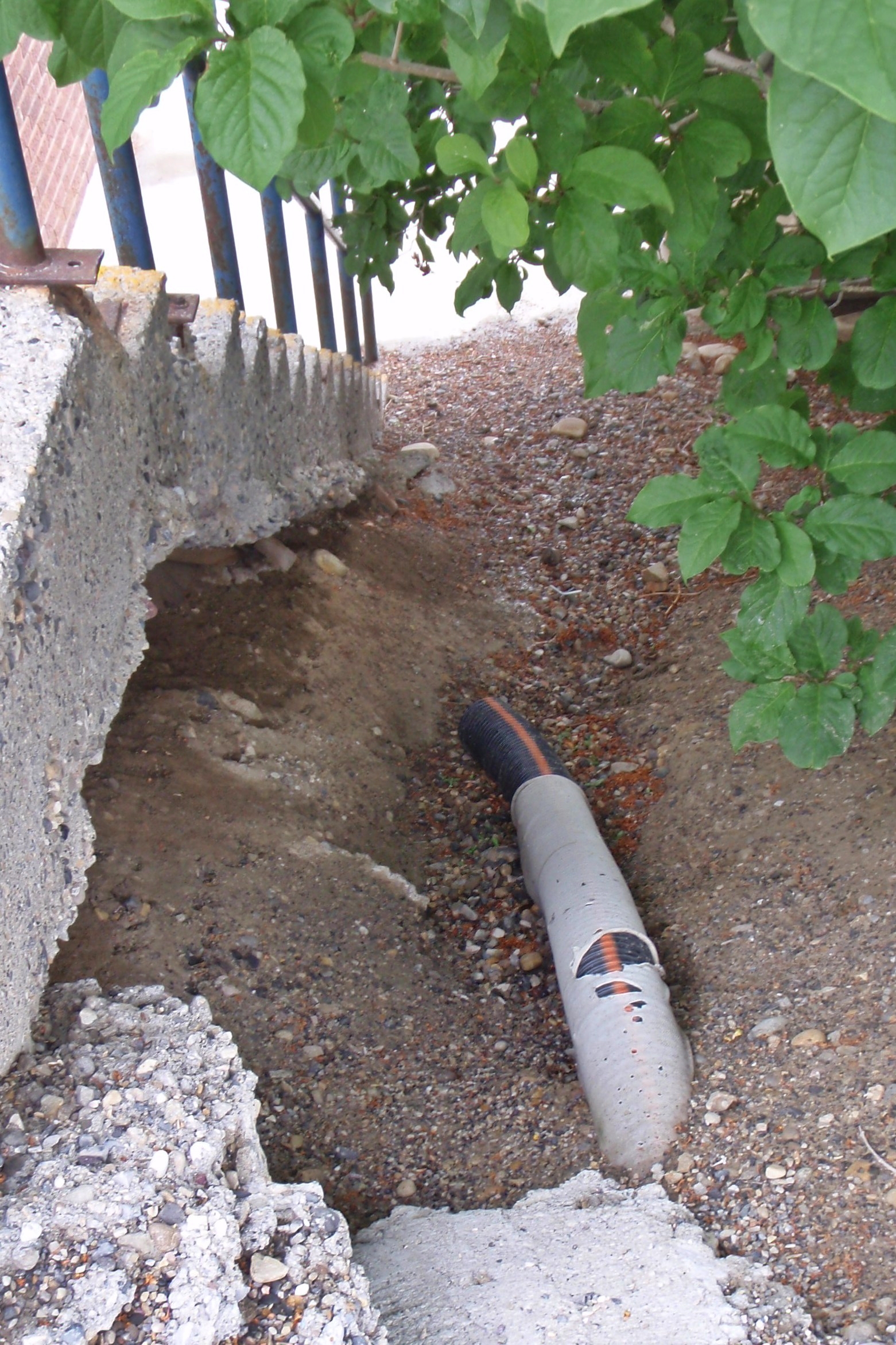
Drainage problems are slower and quieter than storm damage, but on the coast they are more constant. Frequent rain, a high water table, and saturated ground reduce the soil's ability to absorb runoff, so water that is not actively directed away tends to pool against foundations. The goal of coastal drainage maintenance is simple to state and easy to neglect: keep water moving away from the house and out of the soil immediately around it.
Start at the roof
Most foundation moisture problems begin with the roof, because a roof concentrates a large volume of water into a few discharge points. If gutters overflow or downspouts release water at the base of the wall, that concentrated flow saturates the soil exactly where it does the most harm.
The basic chain to keep intact
- Gutters clear enough to carry a heavy rain without overflowing.
- Downspouts connected and discharging into extensions, not at the wall.
- Extensions or splash blocks that carry water several feet from the foundation.
- Ground that slopes away from the house so the discharged water keeps moving.
Grading and the ground around the house
The soil within the first couple of metres of the foundation should fall away from the wall, not toward it. Over time, settling, frost heave, and landscaping can flatten or reverse that slope. On the coast, where the ground is often already near saturation, even a slight reverse slope holds water against the foundation long enough to matter.
What to watch through the year
- Settling or low spots that form near downspout outlets.
- Mulch or garden beds built up against the cladding, trapping moisture.
- Frost heave in late winter that changes how surface water flows.
- Ice that blocks downspout outlets and forces water back toward the wall.
Subsurface water and the water table
Surface drainage handles rain. The high water table that comes with proximity to the shore is a separate condition, and it is the reason coastal basements and crawl spaces benefit from attention to humidity and ventilation in addition to keeping surface water away. Persistent dampness despite good surface drainage is a sign to look below grade rather than above it.
For background on lot grading and moisture management, Canada Mortgage and Housing Corporation provides homeowner guidance, and rainfall and storm timing for planning checks can be found through Environment and Climate Change Canada.